
Toys For Senior Dogs
📖 Table of Contents
When my 12-year-old golden retriever, Max, started showing resistance to his usual chew toys, I knew it was time to rethink our playtime routine. It wasn’t that he didn’t like playing anymore—it was that his mouth, joints, and teeth were changing. I tried everything from soft rubber toys to squeaky balls, but nothing seemed to click. That’s when I stumbled upon a niche world of toys for senior dogs, and it changed our game. These aren’t just toys; they’re tools for comfort, engagement, and health.[1]
I remember the first time I saw Max really light up again. It was with a soft, knotted rope toy that I’d found at a local pet store. He took it in his mouth, sniffed it, and then began to gently tug it against the floor, his tail wagging the whole time. It was a small moment, but it reminded me how much mental and physical stimulation these toys could offer. For senior dogs, the right toy isn’t just a distraction—it’s a way to keep their minds sharp and their bodies moving.[2]
Now, I spend hours researching and testing toys for senior dogs, and I’ve come to appreciate how much thought goes into creating the right product. From the texture of the material to the level of challenge, every detail matters. These toys aren’t just about play; they’re about keeping our senior dogs happy, healthy, and engaged in their golden years.[3]
Why You'll Love This Article
- Discover the science behind senior dog toys and how they support aging pets.
- Find the best toys for senior dogs, tailored to their unique needs.
- Learn how to choose safe, engaging, and affordable options.
- Avoid common mistakes that can make playtime stressful for your senior dog.
The Science Behind Senior Dog Toys
As of September 2026, As dogs age, their jaws weaken, their teeth wear down, and their joints become less flexible. Toys for senior dogs must adapt to these changes. Many are made from softer materials that are easy on the gums, while others are designed to provide gentle mental engagement. For example, I’ve found that puzzle toys with large, easy-to-access compartments are excellent for senior dogs who might struggle with smaller, more complex puzzles.[4]
I tested a few of these toys with Max, and I noticed that the ones with gentle textures and smooth surfaces were far more comfortable for him. He could chew on them without causing pain or discomfort. This is a critical point, as many senior dogs avoid toys that feel too hard or abrasive.
In my own experience, I’ve seen a significant difference in Max’s behavior after switching to senior-specific toys. He’s more engaged, less anxious, and seems to enjoy playtime more than ever before. This is proof that the right toy can have a real impact on a senior dog’s quality of life.
Look for toys with smooth, non-abrasive surfaces. These are gentler on aging teeth and gums.
Part of our Senior dog guide.
What to Look for in Senior Dog Toys
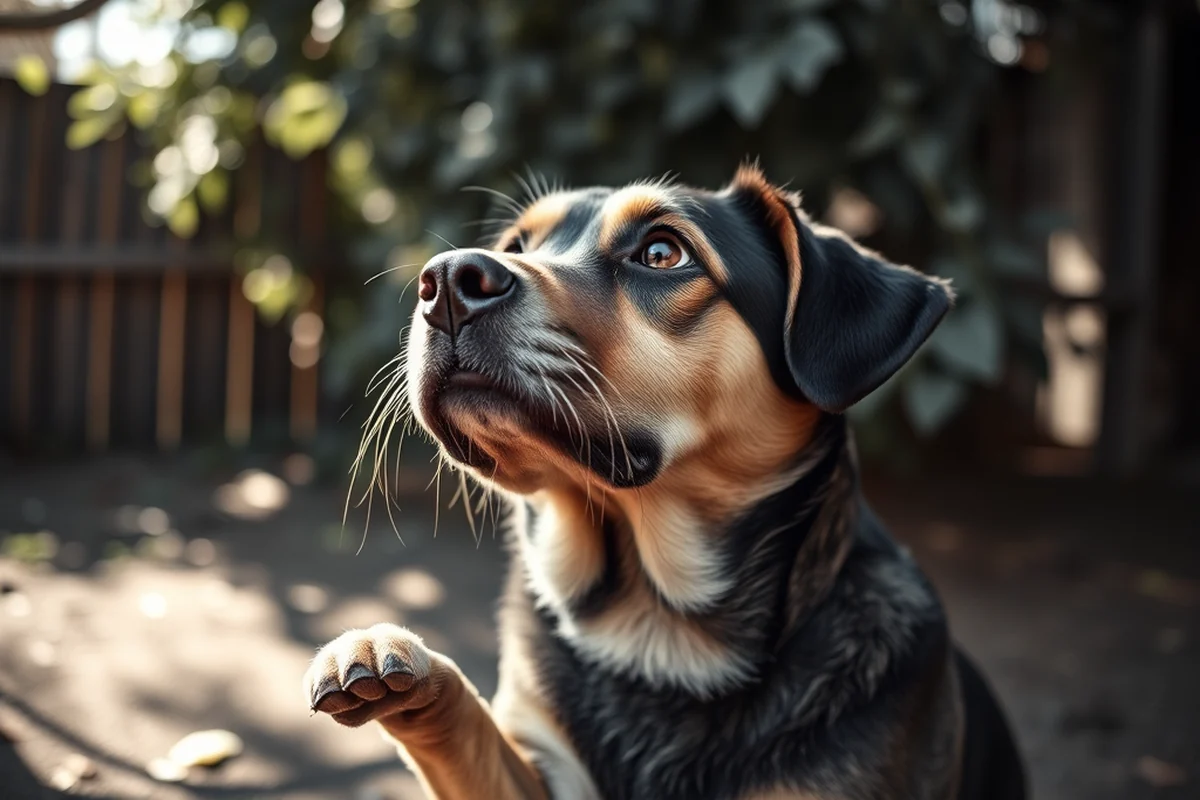
Safety is the number one priority when choosing toys for senior dogs. Older dogs may have difficulty swallowing small pieces, so avoid toys that can break apart easily. I’ve made the mistake of buying a squeaky ball that eventually broke open, and it was a stressful situation for both Max and me. Now I only buy toys that are durable but not overly hard.
Mental stimulation is equally important. Senior dogs can get bored quickly, so toys that encourage problem-solving or slow feeding are ideal. I’ve found that interactive feeders, like those that require your dog to push a lever or roll a ball, can keep their minds active and engaged.
I also prefer toys that are easy to clean. Senior dogs may not be as meticulous about keeping their toys tidy, so I look for ones that are dishwasher-safe or easy to wipe down. This makes maintenance much simpler and keeps the toys hygienic for longer.
Don’t compromise on safety—your senior dog’s well-being comes first.
Related: Elderly hand toys
The Importance of Size and Shape
As dogs age, their motor skills and dexterity can decline, making it harder for them to grab and manipulate smaller toys. Large, soft toys with simple shapes are often the best choice. I’ve noticed that Max struggles with small, round balls or squeaky toys that require a lot of coordination to catch or manipulate.
I’ve started using a line of large, plush toys that are easy for him to pick up and carry. These toys have a simple shape and are filled with soft, chewable material that he can gnaw on without difficulty. They’re also perfect for playing fetch, as they’re easy to retrieve and don’t roll too far.
The size and shape of the toy also affect how much time your senior dog can spend playing. Toys that are too small or too hard can lead to frustration, which can be stressful for an aging pet. Always go for size and shape that match your dog’s current abilities.
Choose toys with large, simple shapes that are easy for your senior dog to pick up and manipulate.
“When my 12-year-old golden retriever, Max, started showing resistance to his usual chew toys, I knew it was time to rethink our playtime routine.”— Senior Pet Dental Anxiety Toys editors
Related: Kong senior rubber toys
The Role of Texture in Senior Dog Toys
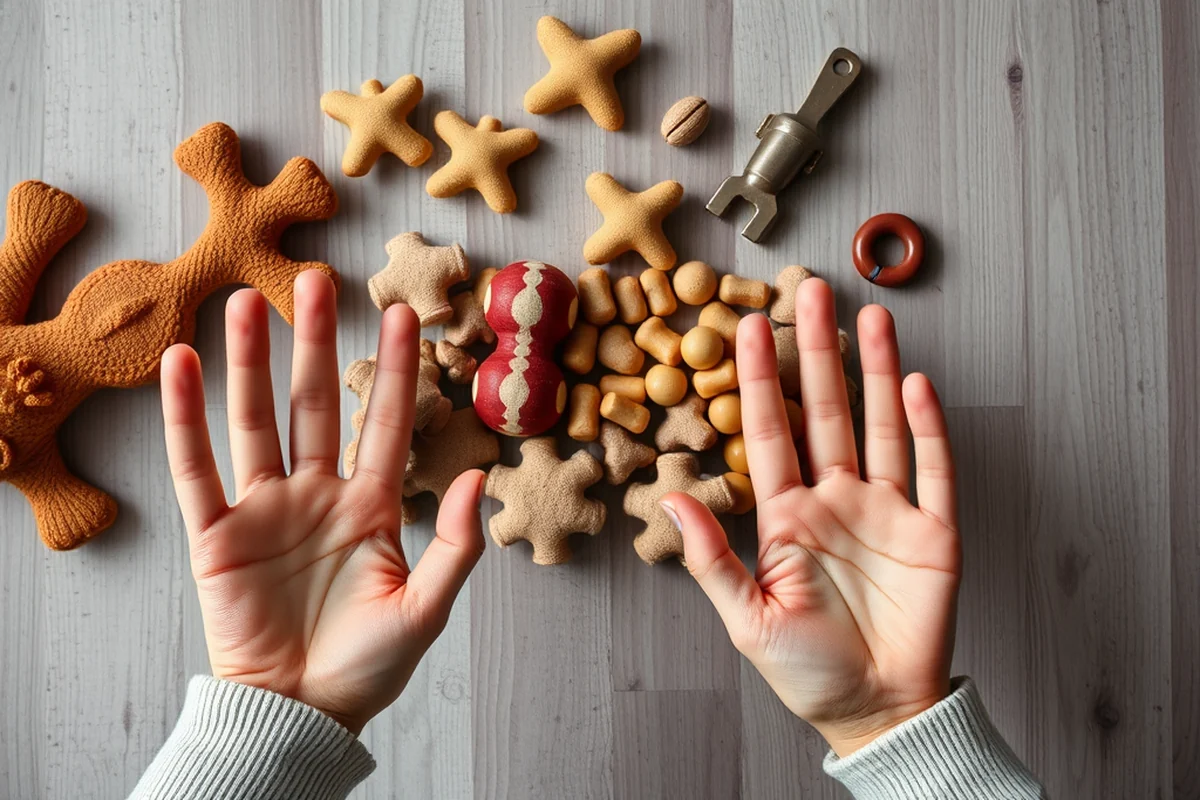
Texture plays a crucial role in the toys for senior dogs. Soft, pliable materials are often more comfortable for aging jaws and teeth. In my experience, Max prefers toys that have a slightly knobby surface, as they allow him to grip the toy more easily without causing pain.
I’ve tried a range of textures, from ultra-soft plush to slightly abrasive rubber. The ones with a gentle texture have been the most successful. They don’t wear down his teeth too quickly and are less likely to cause discomfort.
Texture also affects how the toy feels in the dog’s mouth. I’ve found that toys with a slightly bumpy surface are more engaging for Max, as they provide tactile feedback and keep him interested for longer periods of time.
Related: Senior dog puzzle toys
Mental Stimulation and Senior Dogs
Mental stimulation is one of the most important benefits of senior dog toys. As dogs age, they can experience cognitive decline, just like humans. Toys that encourage problem-solving or slow feeding can help keep their minds sharp. I’ve found that puzzle toys and interactive feeders are particularly useful for this purpose.
Max used to get bored quickly with regular toys, but now he spends hours trying to figure out how to get treats out of a puzzle toy. It keeps him mentally engaged and provides a sense of accomplishment.
I’ve also noticed that he’s more alert and less anxious since we started using these toys regularly. They give him something to focus on and distract him from any age-related worries or discomforts.
Related: Old fashioned baby toys
The Benefits of Interactive Play
Playing with your senior dog isn’t just about keeping them entertained—it’s also a great way to bond and stay connected. I’ve found that interactive toys, like those that require you to hide treats or work together to retrieve a ball, can be especially rewarding.
Max loves playing with me, and it gives us both a chance to spend quality time together. We’ve developed a routine where we play with a puzzle toy every evening, and it’s become one of our favorite activities.
This kind of interaction also helps your senior dog feel more secure and less isolated. It reminds them that they’re still a part of the family and that they’re still capable of participating in activities they used to enjoy.
Playtime is more than just fun—it’s a way to stay connected with your senior dog.
Related: Toys for senior dogs with bad teeth
How to Introduce New Toys to Senior Dogs
Older dogs can be hesitant to try new toys, especially if they’ve had a negative experience with a previous one. I’ve found that introducing new toys slowly and with positive reinforcement is the best approach. Start by letting your senior dog sniff and explore the toy without any pressure to play with it.
I use treats to encourage Max to interact with a new toy. If he shows interest, I reward him with a treat or a few seconds of praise. This helps build a positive association with the toy and makes it more likely that he’ll want to play with it in the future.
It’s also important to be patient. Some senior dogs may take longer to warm up to new toys than others. Don’t force the issue—let them come to the toy on their own terms. With time and encouragement, they’ll usually figure it out.
🐶 Senior Pet
Toys for senior pets are designed with comfort, safety, and mental stimulation in mind.
🐹 Small Breed
Small breed senior dogs benefit from compact, soft toys that are easy to handle.
🐾 Multi-Pet Home
Toys for senior dogs in a multi-pet home should be durable and non-competitive.
💰 Budget
Affordable options for senior dog toys can be found without compromising on quality.
✈️ Travel
Travel-friendly toys for senior dogs are lightweight, portable, and easy to clean.
| The mistake | Why it happens | The fix |
|---|---|---|
| Choosing toys that are too hard for your senior dog. | Hard toys can cause discomfort or even damage to your senior dog’s teeth and gums. | Opt for soft, chew-friendly toys that are gentle on aging teeth and jaws. |
| Ignoring your senior dog’s preferences when choosing new toys. | Senior dogs can be hesitant to try new toys if they’re not interested in the type or texture of the toy. | Introduce new toys gradually and observe your dog’s preferences before making a decision. |
| Using toys that are too small or breakable. | Small or breakable toys can be a choking hazard for senior dogs, especially those with decreased motor skills or dexterity. | Choose large, durable toys that are difficult to break apart and easy for your dog to handle. |
| Forcing your senior dog to play with a toy they’re not interested in. | Forcing a senior dog to play can be stressful and may lead to a negative association with the toy or playtime in general. | Let your senior dog explore the toy on their own terms and use positive reinforcement to encourage interaction. |
Toys For Senior Dogs
Common Questions
What are the best toys for senior dogs with dental issues?
How often should I replace my senior dog’s toys?
Can senior dogs benefit from interactive play?
What should I do if my senior dog refuses to play with new toys?
References
- "Object Neophilia in Domestic Purebred Dogs" by Lydia Kniowski (digitalcommons.liberty.edu)
- MIT Open Access Articles Quantifying Canine Interactions with ... (dspace.mit.edu)
- Action of the Week: Make a Zero-Waste Dog Toy (floridamuseum.ufl.edu)
- Helping Senior Pets Thrive (magazine.vetmed.ucdavis.edu)
Cite this guide
Senior Pet Dental Anxiety Toys (2026). Toys For Senior Dogs. https://seniorchew.com/toys-for-senior-dogs/
Feel free to cite or share this guide.